To reach our global climate goals, we must change how we produce and use energy. We have shared in past posts how nuclear power is critical for supplying clean electricity around the clock. While nuclear is a great fit for many needs, it cannot replace all instances where fossil fuels are currently used.
Hydrogen is quickly becoming one of the most important tools for cleaning up our energy system, and Small Modular Reactors (SMRs) are set to revolutionize the economic and environmental impact of how it is produced and dispensed.
The Versatility of Hydrogen
Hydrogen is the most common element in the Universe, but we rarely find it on its own. Today, most hydrogen comes from natural gas and is used to create fertilizers for farming or refine oil into gasoline.
As the infrastructure for transporting hydrogen grows, it could power more parts of our daily lives, such as heating our homes or fueling cars and buses whose exhaust contains only pure water.
Powering Heavy Industry
While consumer uses are on the horizon, hydrogen is already vital for heavy industry. In sectors like steelmaking or chemical production, it is used both as a clean fuel to create extreme heat and as a chemical ingredient that batteries simply cannot replace.
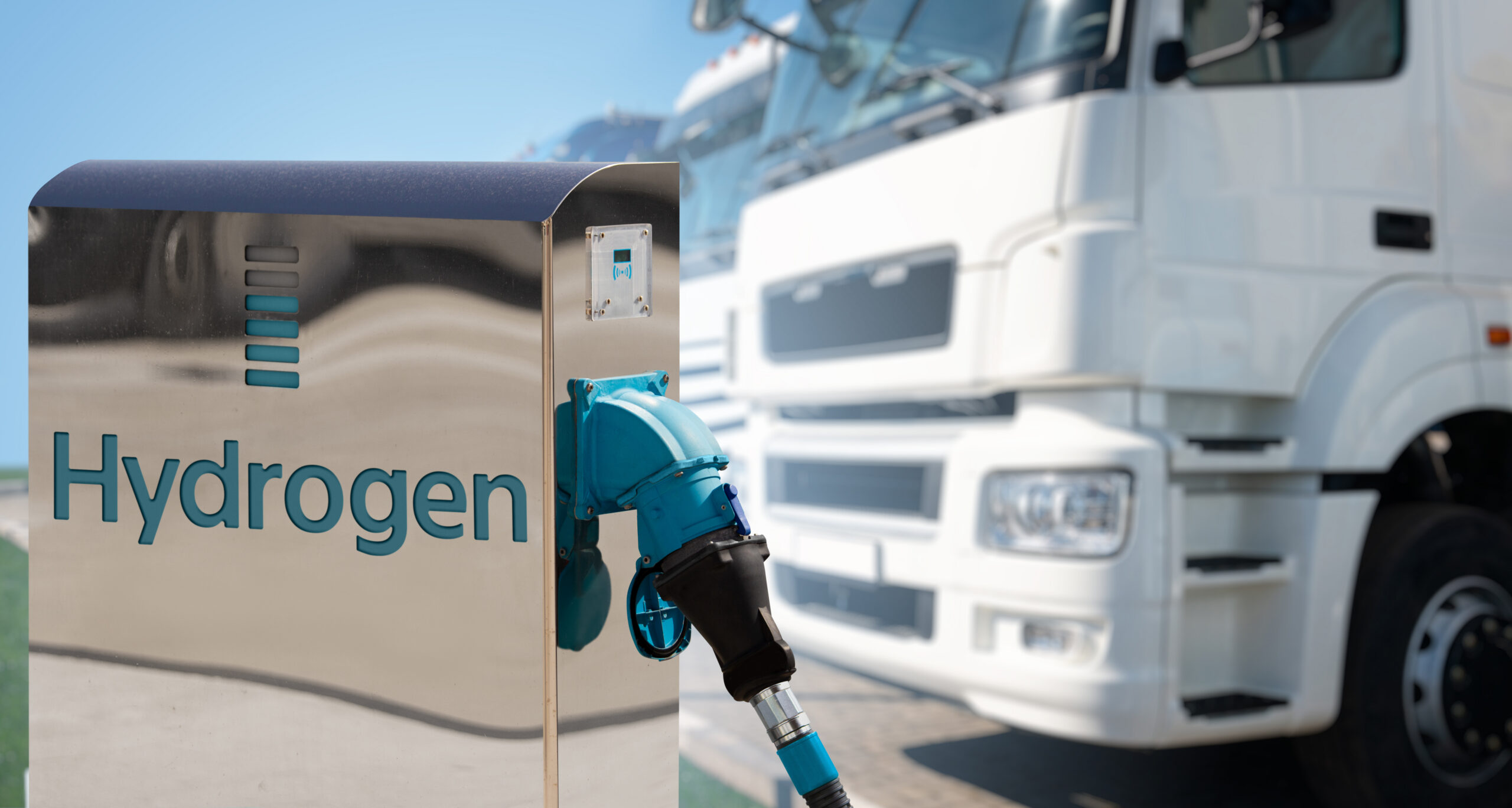
Heavy-duty transportation is another area where hydrogen shines. Electrifying large mining trucks and cargo ships requires batteries that are prohibitively heavy. Instead, a new generation of these machines is being produced that use hydrogen fuel cells.
These Fuel Cell Electric Vehicles (FCEVs) work like a mini power plant on wheels: they take hydrogen from an on-board tank and combine it with oxygen from the air to create a chemical reaction. This reaction generates electricity to power the motor, leaving only water vapor as exhaust. FCEVs can be refuelled in minutes and hold enough power to complete long, demanding shifts.
The Color Spectrum of Production
Experts often talk about hydrogen using a color spectrum based on how it is made. Most hydrogen today is “grey” or “blue,” meaning it is made from fossil fuels and still creates some pollution.
“Green” hydrogen is made using wind and solar power to split water molecules. It is easier on the environment, but the intermittent nature of these renewable sources of energy means the expensive equipment used to make green hydrogen often sits idle, which drives up the cost.
“Pink” refers to hydrogen produced using nuclear energy’s emission-free electricity and, down the road, also its high-temperature heat. This method is equally clean as green hydrogen but can be run around the clock in any weather, maximizing the use of equipment and lowering the unit cost of hydrogen.
The SMR Advantage: Clean Hydrogen On-Site and On-Demand
Moving and storing hydrogen presents challenges because it is a very light gas made up of very small molecules. It can be securely stored in high-pressure tanks or as a very cold liquid, but transporting it over long distances is expensive. Safety is a top priority for the industry, which uses advanced sensors and ventilation to prevent incidents.
This is where Small Modular Reactors (SMRs) change the game for the hydrogen market. In addition to the constant, carbon-free power provided by all nuclear, SMRs can be built adjacent to communities and industrial sites, producing hydrogen on-demand right where it is needed and significantly reducing the costs and risks of transportation and storage.
Reducing Costs and Emissions of Mining
As a way of visualizing the impact this could have for a remote mining operation, let’s look at how ores are transported. A brand new diesel-powered haul truck, which costs at least $6 million, burns upwards of 300 liters of diesel per hour that has been flown or trucked in at great expense and risk.
With an annual run time of at least 6,000 hours and a per-liter cost between $1.30 and $2.25, this quickly adds millions of dollars to a mine’s operational budget and a huge amount of carbon emissions.
Even if the lifetime of a truck is fairly short at 10 years, replacing diesel haul trucks with FCEV versions that cost twice as much (which they won’t) is a very easy decision. The Total Cost of Ownership (TCO) very quickly flips in favor of FCEVs when paired with SMRs: their maintenance costs are already lower as their engines have fewer moving parts, and their fuel costs become essentially zero.
If implemented globally, this could remove the 68 million tons of CO2 per year that are produced by over 28,000 diesel-powered haulers – equivalent to the greenhouse gas footprint of Finland or New Zealand.
Clean Energy for Every Application
By combining the reliable power of SMRs with the flexibility of hydrogen, we can decarbonize the heavy industries that keep our modern world running. SMRs act as an all-in-one energy solution, delivering the electricity, heat, and fuel required to operate sustainably in even the most challenging locations.
This integrated approach does more than just cut emissions. It builds a self-sufficient energy system that protects remote operations from the high costs and uncertainties of global oil markets.