

Interview: Building Educational Pathways to Meet Canada’s Nuclear Goals
Training 60,000 new nuclear workers by 2040 means starting now. Learn why 7+ year degree timelines make early post-secondary SMR partnerships critical.
Interview: Building Educational Pathways to Meet Canada’s Nuclear Goals
Training 60,000 new nuclear workers by 2040 means starting now. Learn why 7+ year degree timelines make early post-secondary SMR partnerships critical.

Digital Divide: How Clean Energy Unlocks Remote Economies
In our series of articles about the digital divide, we have looked at how reliable power is critical for remote connectivity, e-learning, and eliminating time

Digital Divide: Energy Insecurity Drives Time Poverty
Unreliable electricity makes chores and work take longer, leaving individuals with little time for personal or professional progress.

Digital Divide: Stable Infrastructure Unlocks Remote Education
Students can complete degrees without leaving their homes, but the required tools depend on a stable electrical supply and sufficient internet access.
Digital Divide: Electricity is the Foundation
Internet access has become an essential public utility, but connectivity and digital literacy are moot points if the power grid cannot support them.
Breaking the Copper Bottleneck from Mine to Megawatt
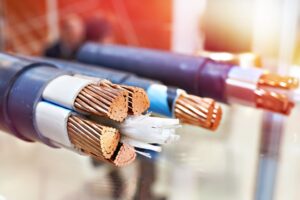
Small Modular Reactors need less copper than other green energy sources and can reduce the emissions from mining and refining it for other projects.

How Modern Nuclear Power Protects Wildlife and Biodiversity
Nuclear energy has the lowest lifecycle impact on ecosystems of any power source, with wind and some solar panels following closely behind.

How Do Nuclear Power Plants Use Water?
Over 95% of operating nuclear plants use water for cooling. HTGRs flip the script, turning nuclear power from water consumer to protector.
Why Density Matters for Remote Energy Solutions
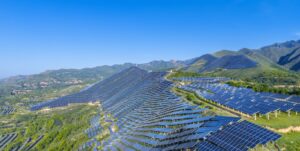
The physics of energy density and power density make Small Modular Reactors a robust, and sometimes the only, alternative to diesel plants in remote locations.

Minerals per Megawatt of Clean Energy
Nuclear provides a unique middle ground, offering low-carbon baseload power with a relatively small mineral footprint.
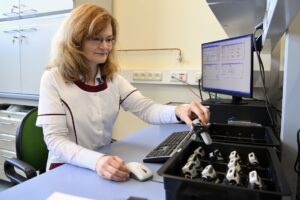
Understanding Radiation From Source to Safety
Advanced nuclear power comes with many layers of protection to ensure it is one of the safest ways to produce clean and reliable energy.

Improving Access to Telemedicine with Satellite Connectivity
Telemedicine brings the doctor’s office directly to the community through a digital screen. StarCore’s SMRs provide the stable internet and electricity it requires.
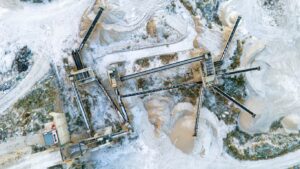
Interview: Simplifying Industrial Projects with SMRs
StarCore’s Ross Elliott explains how Small Modular Reactors are a fixed-cost block that can be popped in to provide enough power and heat for operations, water treatment, heating and more

Helium’s Transformative Role in Nuclear Power
Helium-cooled reactors bring increased safety and efficiency to power new infrastructure with a lower impact on the environment and resources.

How Minerals Become Critical in a Changing Energy World
Minerals are naturally occurring substances that come from the earth and provide the raw materials for almost everything we use. Industries rely on minerals like

Upgrading Remote Water Treatment with SMRs
Small Modular Reactors are an environmentally and economically friendly way to power remote water treatment facilities and protect related infrastructure in harsh climates.
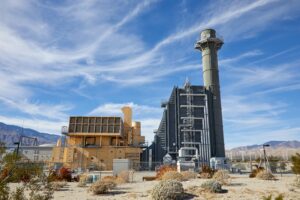
Clean Tech for Meeting Peaking Energy Demand
To meet spikes in electricity demand, grid operators use fossil fuel peaking power plants. While essential, they are an outdated technology that harms people and the environment. Small Modular Reactors (SMRs) offer a clean and versatile alternative.

Powering Healthy, Affordable and Local Food Systems
Combining the versatile energy from Small Modular Reactors with climate-proof Controlled Environment Agriculture puts remote and northern communities in control of building their food systems in ways that align with their culture and preferences without compromising on energy security or environmental impact.

Why Nuclear’s Neighbours Say YIMBY
The reality for those with nuclear power in their backyards is one of stability, safety and shared prosperity.

Exploring Hydrogen Fuel and How SMRs Make It Viable
Hydrogen is an important tool for cleaning up our energy system. Small Modular Reactors can produce it on-site and on-demand without emissions.

Meeting International Commitments with Nuclear Power
Governments are increasingly looking to nuclear power, and especially Small Modular Reactors, to meet shared environmental and humanitarian goals.

The History of Small Reactors and the Promise of Generation IV
Small Modular Reactors are are more precise, reproducible and versatile than their predecessors, and are now ready to be a critical component of sustainable power.

The Role of Small Modular Reactors in Energy Security
In an unpredictable world, Small Modular Reactors are emerging as a critical tool to provide reliable and resilient baseload power.
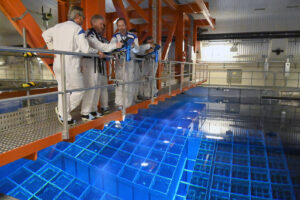
What Happens to Nuclear Fuel After it is Used Up?
Spent nuclear fuel has an excellent record of safe transportation and storage. It is increasingly being reprocessed to produce new fuel.

Beyond Fuel: Understanding the SMR Supply Chain
The Small Modular Reactor supply chain spans digital design, factory fabrication, on-site assembly, and decades of specialized operations to deliver clean power.