
Interview: Building Educational Pathways to Meet Canada’s Nuclear Goals
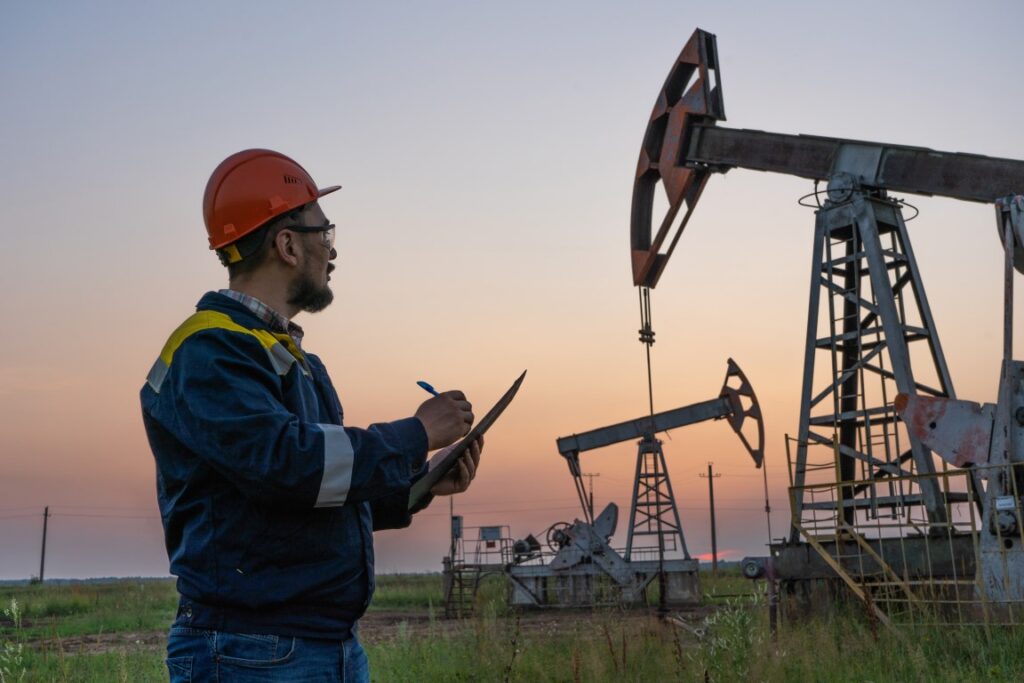
Training 60,000 new nuclear workers by 2040 means starting now. Learn why 7+ year degree timelines make early post-secondary SMR partnerships critical.
Digital Divide: How Clean Energy Unlocks Remote Economies

In our series of articles about the digital divide, we have looked at how reliable power is critical for remote connectivity, e-learning, and eliminating time poverty. When combined, these are the building blocks for a strong local economy that builds wealth and retains talent. Many off-grid communities in North America rely on aging diesel generators […]
Digital Divide: Energy Insecurity Drives Time Poverty

Unreliable electricity makes chores and work take longer, leaving individuals with little time for personal or professional progress.
Digital Divide: Stable Infrastructure Unlocks Remote Education

Students can complete degrees without leaving their homes, but the required tools depend on a stable electrical supply and sufficient internet access.
Digital Divide: Electricity is the Foundation
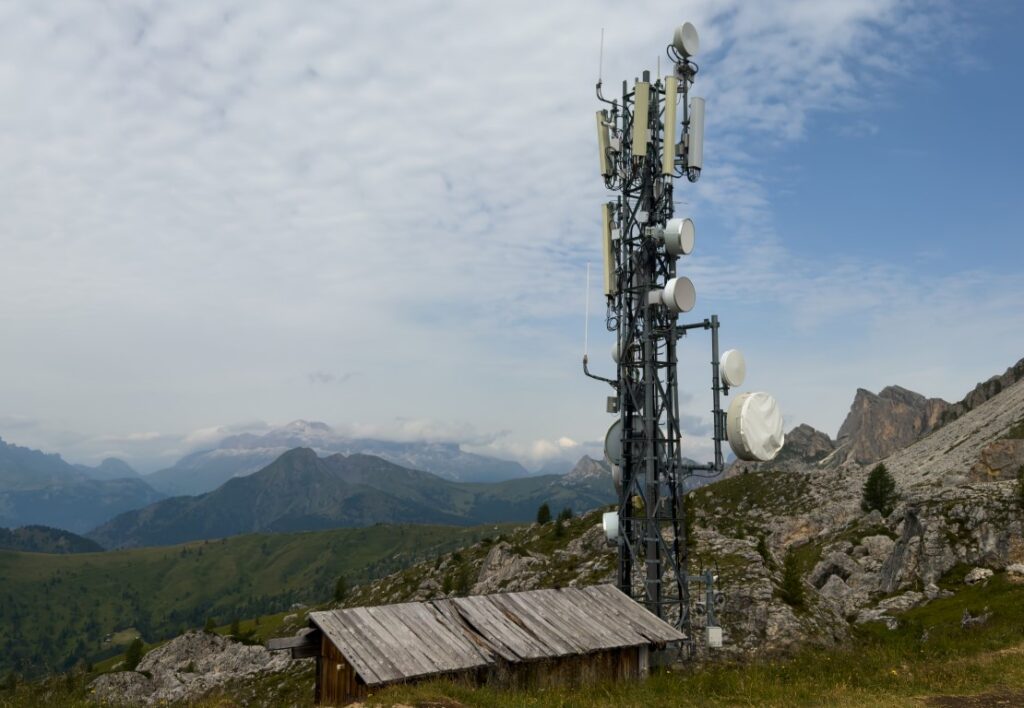
Internet access has become an essential public utility, but connectivity and digital literacy are moot points if the power grid cannot support them.
Breaking the Copper Bottleneck from Mine to Megawatt

Small Modular Reactors need less copper than other green energy sources and can reduce the emissions from mining and refining it for other projects.
How Modern Nuclear Power Protects Wildlife and Biodiversity
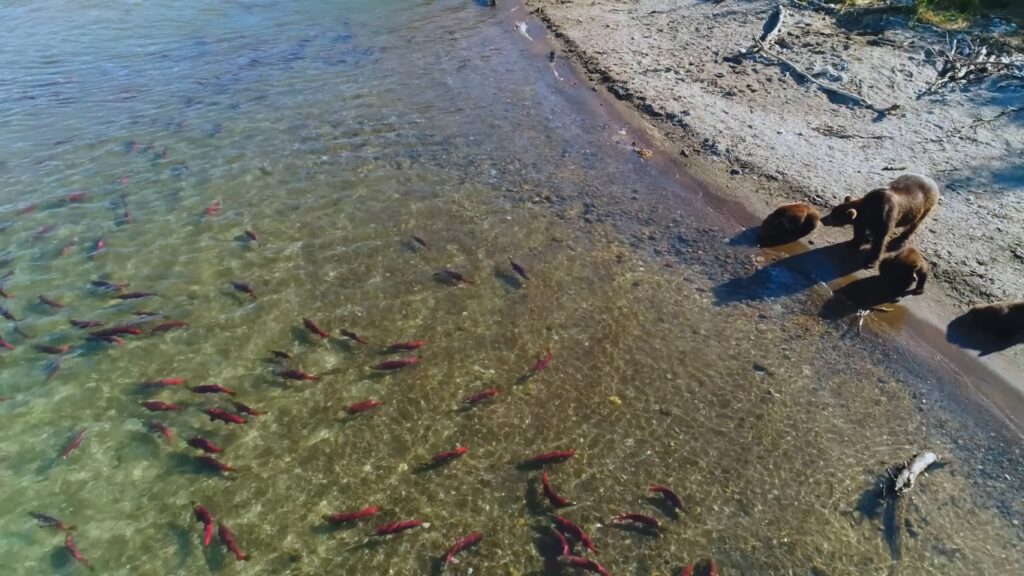
Nuclear energy has the lowest lifecycle impact on ecosystems of any power source, with wind and some solar panels following closely behind.
How Do Nuclear Power Plants Use Water?
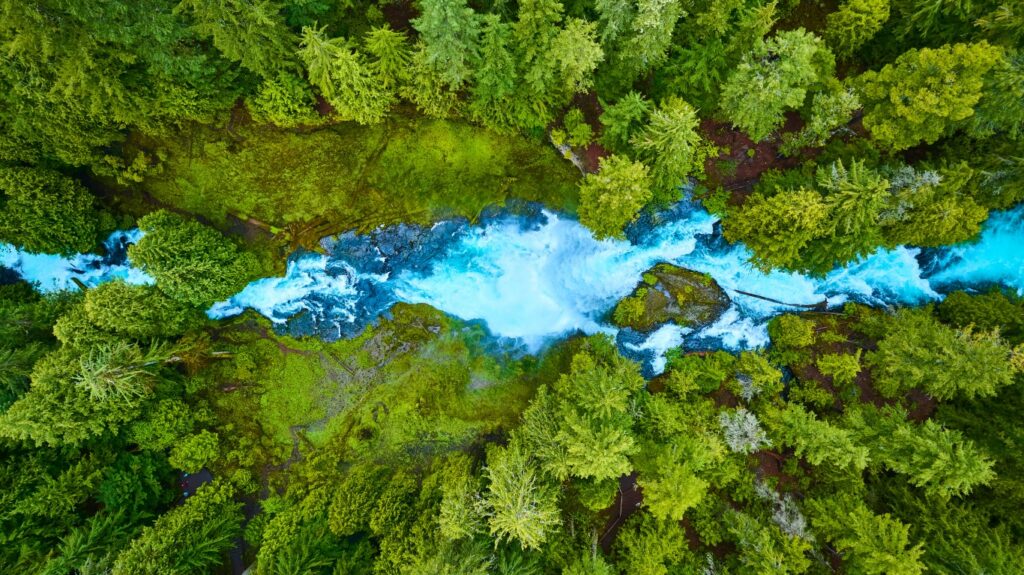
Over 95% of operating nuclear plants use water for cooling. HTGRs flip the script, turning nuclear power from water consumer to protector.
Why Density Matters for Remote Energy Solutions
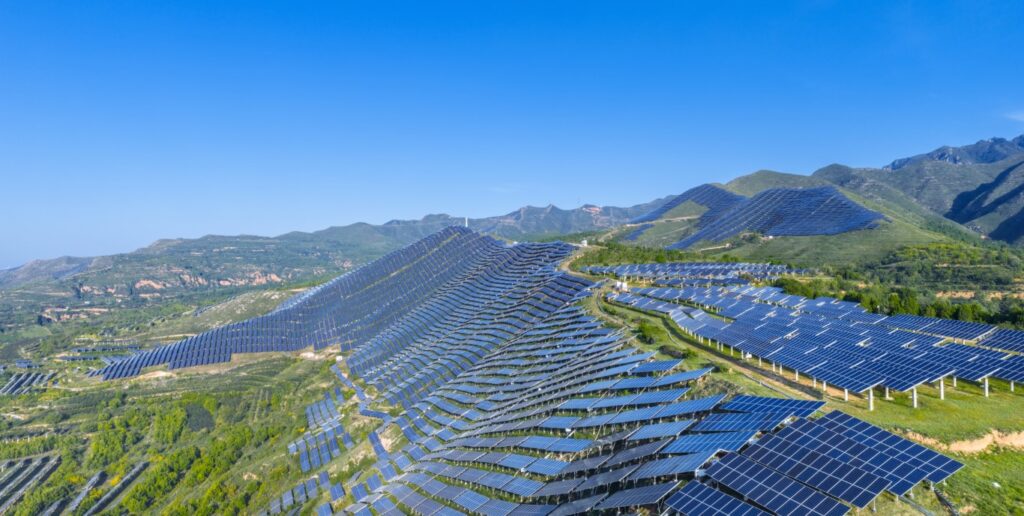
The physics of energy density and power density make Small Modular Reactors a robust, and sometimes the only, alternative to diesel plants in remote locations.
Minerals per Megawatt of Clean Energy

Nuclear provides a unique middle ground, offering low-carbon baseload power with a relatively small mineral footprint.