In part two of this StarCore series on how we get nuclear fuel, we discuss how uranium is transformed – or enriched; introduce advanced forms of fuel; and discuss global energy markets.
New Forms of Safer, More Efficient Fuel
A major advantage of SMRs is their flexibility, which extends to the types of fuel they can use. Different designs use different fuels, each tailored for specific benefits. Some SMRs run on standard uranium dioxide fuel, the same proven technology used in large power plants today. Others use advanced metallic fuels that are excellent at transferring heat, allowing for smaller, more efficient reactors. Some designs even use fuel dissolved in molten salt, an innovative approach with unique safety features.
A great example of advanced fuel is TRISO (“Tri-structural ISOtropic”) Particle Fuel. Each TRISO particle is like a tiny, self-contained fuel capsule, smaller than a poppy seed. These particles are coated in layers of ceramic, making them incredibly robust and able to withstand extreme temperatures. This design makes the fuel inherently safe and is a cornerstone of the exceptional safety profile of many advanced reactors.
Degrees of Enrichment
While the form of the fuel is important, so is its potency—the level of its enrichment. Standard fuel for today’s nuclear plants is Low-Enriched Uranium (LEU), which is enriched to less than 5%. A step up from that is LEU+, enriched between 5-10%, which can help some reactors run more efficiently.
While these different fuel types are exciting, many of the most advanced SMRs require an even more potent fuel called High-Assay Low-Enriched Uranium, or HALEU. It allows reactors to be smaller, run for much longer, and produce far less waste. This is the game-changing fuel that unlocks the full potential of many next-generation designs.
How Enrichment Works
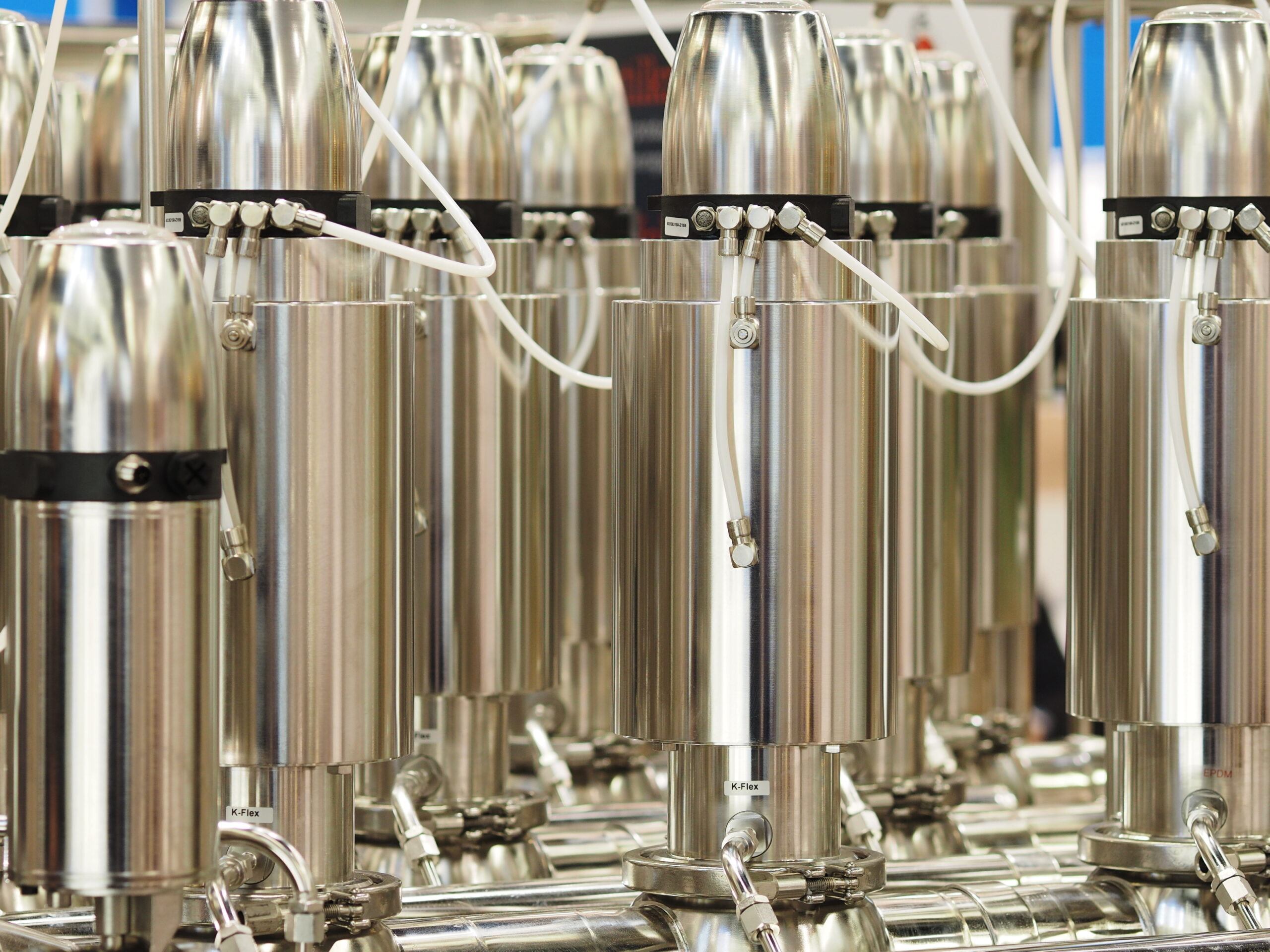
Natural uranium needs to be enriched to increase the concentration of the specific uranium atom that creates energy. The modern, global standard for this is gas centrifuge technology. In this process, a uranium gas is spun at incredibly high speeds inside a machine called a centrifuge.
This spinning separates the useful, lighter uranium atoms from the heavier ones. Other advanced methods, like using lasers to excite the atoms and produce fuel at lower costs and greater efficiency, are also being developed.
Navigating Global Tensions
Recent events, including the war in Ukraine and instability in parts of Africa, have put a spotlight on energy security. The conflict between Israel and Iran adds another layer of geopolitical uncertainty. It’s natural to ask what this means for the fuel that will power the clean energy plants of the future.
The crucial point is that Iran is not a commercial supplier of enriched uranium to the global market. Therefore, unlike other disruptions, this conflict does not directly interrupt the physical flow of fuel to existing or planned power plants. However, as noted by leading global energy organizations, any major conflict in the Middle East can create significant market anxiety and volatility across all energy sectors.
In the coming years, the primary impact of such tensions will be to reinforce the global push for secure, independent energy supplies. The conflict strengthens the strategic case for nations to control their own nuclear fuel chains, reducing reliance on any single region. This gives even more momentum to the major investments being made to develop secure Western sources of HALEU and expand enrichment capabilities in the United States and Europe.
Meeting the Fuel Challenge Head-On
The world has plenty of capacity to enrich standard uranium fuel. However, because HALEU is a new and advanced product, there is currently a global shortage. This is a challenge the nuclear industry is actively working to solve. It is estimated that dozens of new SMRs will need hundreds of tonnes of HALEU annually by the 2030s, and the demand is expected to grow significantly from there.
To meet this need, a global effort is underway. Russia is currently the main commercial supplier, but Western nations are quickly building their own capabilities. The United States, United Kingdom, Canada, France, and Japan have launched a partnership to secure the global supply chain.
In the U.S., the government has dedicated billions to its HALEU Availability Program and nuclear fuel company Centrus has already begun production at a new facility in Ohio. In Europe, companies like Urenco and Orano are investing billions to expand their enrichment plants. This historic investment ensures that a secure and reliable supply of advanced fuel will be ready for the next generation of clean energy.