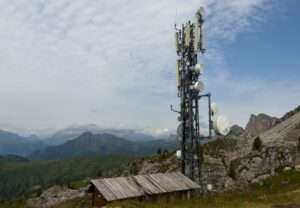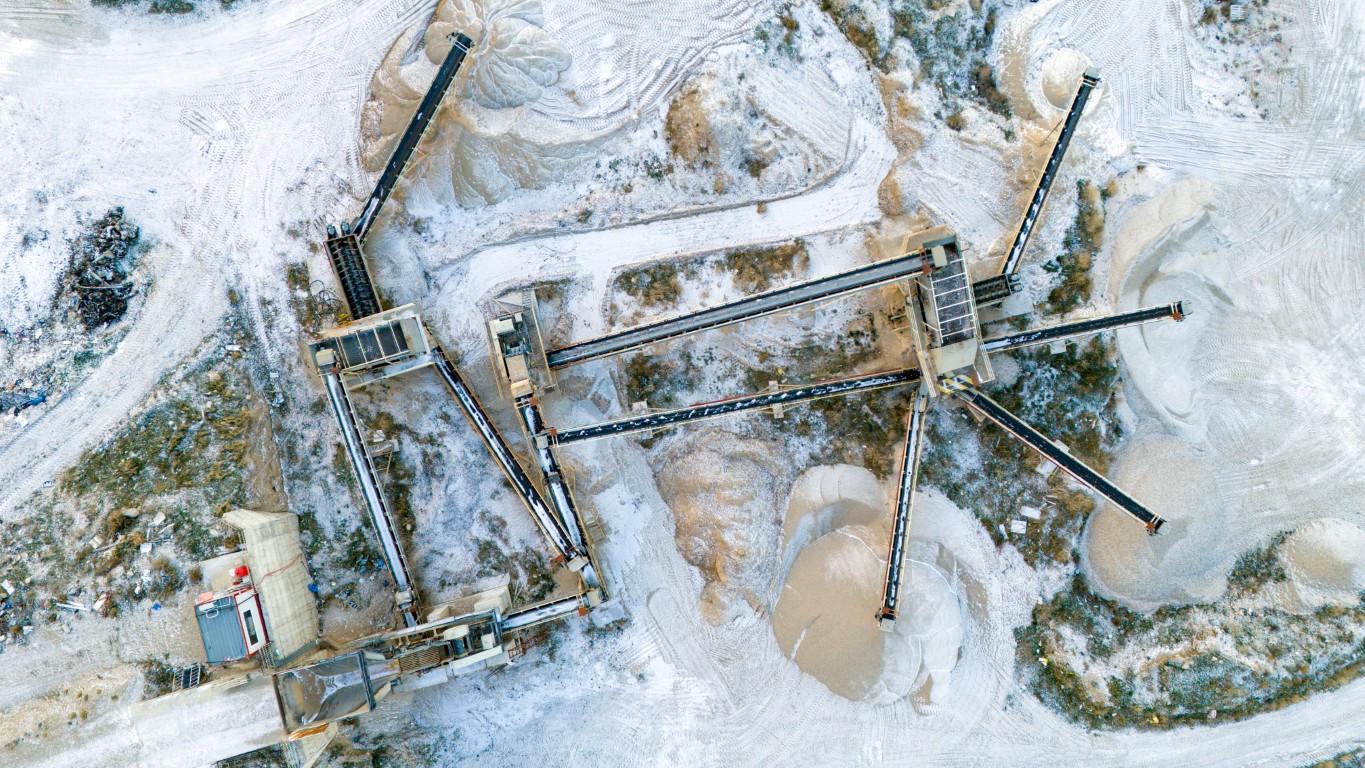
There are many steps to setting up a remote industrial operation, but fundamental infrastructure like power and water often gets sidelined during the early stages of a project.
This is a reality that StarCore’s Director of Australian Business Development Ross Elliott has seen all too many times in his decades in the mining industry. While he has held roles overseeing all phases of the mining lifecycle, his expertise is fundamentally in answering the question: “how do you go from discovery to revenue?”
Sourcing sufficient electricity and clean water for a remote industrial project comes with high and volatile costs as well as significant effort. Elliott chose to bring his acumen to Small Modular Reactors (SMRs) because “for the people managing these projects, SMRs are just easy. We have worked hard to design a fixed-cost block that can be popped in to provide enough power and heat for operations, water treatment, heating and more.”
Supplying Demand for High-Performance Fuel
Lately, Elliott has been immersed in the global conversation on meeting the looming demand for a more potent form of nuclear fuel known as High-Assay Low-Enriched Uranium (HALEU).
Traditional, gigawatt-scale nuclear plants can run on low-enriched uranium (LEU) that is only enriched to about 5%. Canada’s CANDU reactor can even run on unenriched uranium.
Using HALEU that is enriched to 15-20% improves reactor output and extends the time between refueling―essential features for industrial project managers who are used to hauling expensive diesel fuel across long distances.
Elliott explains that there is currently a huge gap between the forecasted supply and expected demand for HALEU. Suppliers are hesitant to guarantee HALEU stock because SMRs are not yet being widely built, and developers are unable to commit to purchasing HALEU because their SMRs are not yet under contract.
“Our world undeniably will need more electricity. Of course there is heavy demand from data centers and AI, but industry aside, people are simply using more in their everyday activities,” says Elliott. “SMRs with small footprints need to be part of our future energy mix not only to meet this demand but to do it in a way that is emission-free and reduces deforestation.”
As SMRs emerge as a better solution to meet the electrification demands of remote areas, Elliott is confident that uranium enrichment will similarly recognize the business potential and rise to meet the demand for HALEU fuel.
Different Problems, Same Solution
Elliott is optimistic about StarCore’s role in the next wave of nuclear energy. Although the technology is not novel, it is proven, safe, and packaged in a way that makes logistic and economic sense for very remote and off-grid locations.
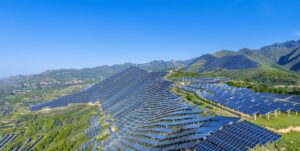
“Intermittent renewables might be fine for very sunny places with predictable weather like parts of Australia, the Middle East and Southern Africa,” explains Elliott, “but they just can’t meet the demands of environments like northern Canadian winters or northern Australia’s monsoon season.
In these latter regions, weather not only reduces the output of renewables but also makes it difficult to bring in fuel and supplies. These areas also struggle with other obstacles to basic necessities such as prohibitively expensive indoor farming and groundwater that is too salty to drink.
SMRs offer solutions for both. In Canada, the extra heat and 24/7 electricity from a reactor can power greenhouses to grow vegetables year-round. In Australia, that same energy can run desalination plants to produce drinking water. Local entrepreneurs can operate these businesses, stimulating their economy, mitigating energy poverty and improving regional health outcomes.
Heavy industry also stands to benefit from SMRs. As Elliott explains, Australian aluminium refineries, for example, are already operating on razor thin profit margins because of the growing and volatile price of electricity. “Australia is at risk of deindustralizing if we don’t find a way to stabilize the price of electricity.”
By switching to an SMR, these facilities can count on consistent electricity costs and availability for their entire lifespan, plus additional benefits such as district heating, process water and more.
Powering the Indo-Pacific
Being based in Australia, Elliott sees a huge shift happening in Asia and the Indo-Pacific.
“Indonesia is in a similar position today as China was twenty years ago in terms of economic development,” says Elliott. “The country has become a hub for nickel mining and is increasingly processing it domestically. That industry is currently powered by coal at great cost to workplace health and local air quality.”
Elsewhere in the region, Singapore―a tiny country with a huge economy―is looking to SMRs to maximize energy output without sacrificing valuable land. Malaysia, Thailand, the Philippines and others have aspirations to bring nuclear power online in the mid-2030s.
“These countries are looking to nuclear to fuel industrial development, provide better facilities for people who live in cities, and meet global commitments to decarbonize,” explains Elliott.
“If you want to have an industrial society, you need to have low-cost energy,” Ross says. “SMRs come with predictable costs and reliable baseload power, making them an essential foundation for our future.”