Electricity grids must maintain a perfect balance between the power people use and what power plants produce at every single moment. When everyone turns on their lights and appliances at once, demand spikes.
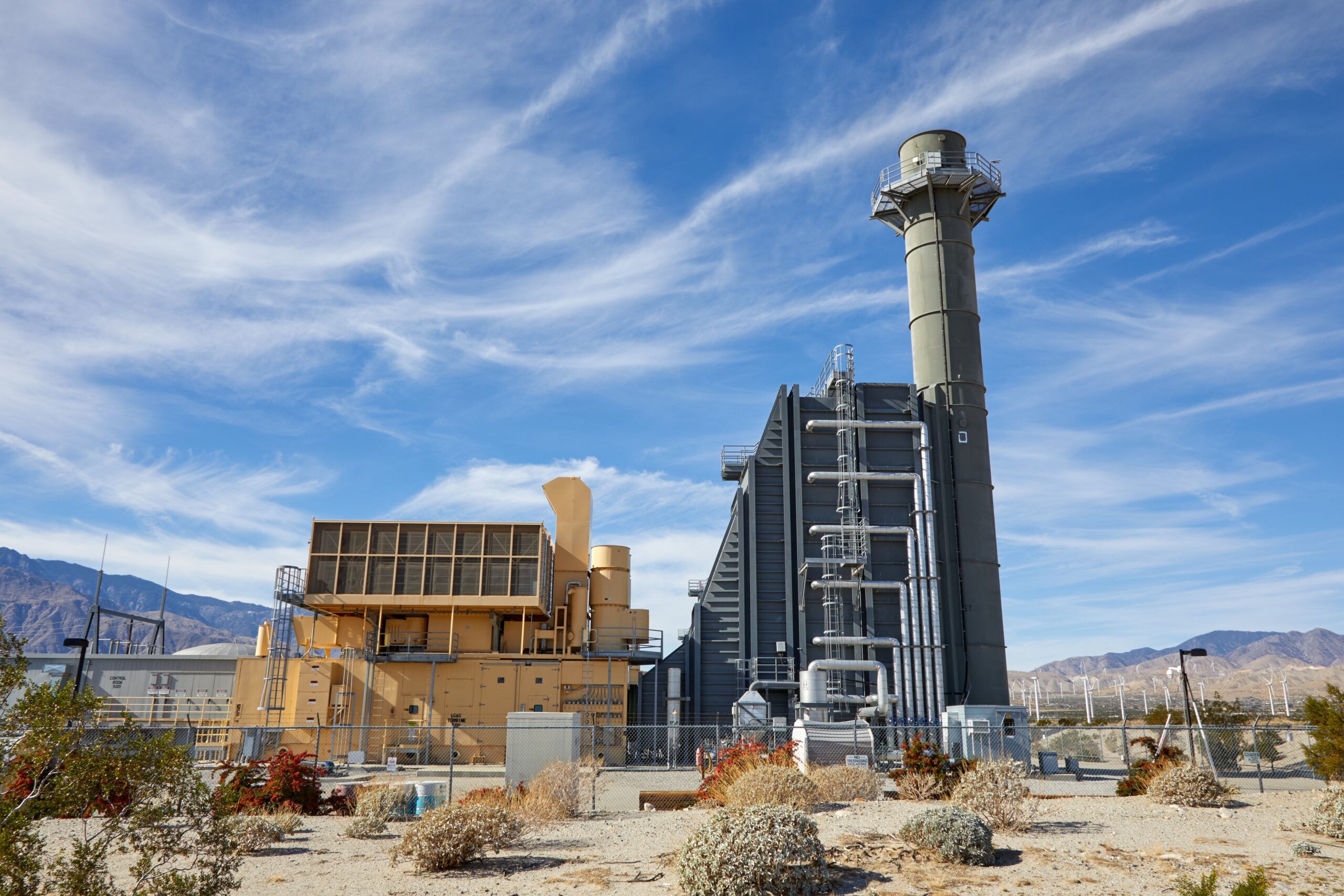
To meet these critical moments, grid operators rely on specialized facilities called peaking power plants. Also known as peaker plants, they are designed to sit idle most of the time, roaring to life only when the grid is under pressure.
While essential, they are an outdated technology that harms people and the environment. Small Modular Reactors (SMRs) offer a clean and versatile alternative that provide ample electricity when demand is high and other benefits throughout the day.
Highs and Lows of Peaker Plants
Peaker plants prioritize speed over efficiency, often using simple gas turbines that can start up in just a few minutes. They act as a vital safety net for our modern lives by filling the gap when energy demand is higher than what the regular grid can handle. In the United States alone there are over 1,000 of these facilities. Without this backup, most people in cities would experience brownouts or rolling blackouts every day.
While they provide essential reliability, peaker plants come with a heavy environmental price. Because they cycle on and off so frequently, they are much less fuel efficient than standard plants that are always operating to provide baseload power.
They also produce more emissions. According to a United States Government Accountability Office analysis, the average peaker plant emits about 1.6 times more sulfur dioxide per unit of electricity than a regular plant.
Many modern pollution control tools (such catalytic systems and scrubbers) take a few minutes to kick in and some require high, steady temperatures to work properly. Since peakers ramp up and down so quickly, these controls often fail to catch harmful gases before they enter the atmosphere.
A Matter of Social Equity
Research confirms that peaker plants are not spread out evenly across economic and racial demographics.
As the Clean Energy Group reported in 2025, roughly 83% of the 56 million Americans living within three miles of a peaker plant reside in areas with a higher-than-average percentage of people of color.
Their findings also reveal that peaker plants are far more likely to be built in low-income neighborhoods. Over 60% of these facilities in the United States are currently located in or near communities where more than a quarter of households are classified as low income.
According to the study, these families experience the greatest negative health outcomes, facing higher rates of heart disease, lung cancer, and asthma.
The Growing Need for On-Demand Power
Intermittent renewables such as wind and solar power are currently experiencing record-breaking growth worldwide. Because their output changes with the weather, grid operators need to implement a reliable backup that can step in the moment the clouds roll in or the wind dies down.
Battery Energy Storage Systems (BESS) are an important part of the solution. They can absorb energy from renewables, add electricity to the grid in mere seconds, and can even cost less in the long run than traditional peaker plants.
While helpful, today’s BESS technology can only handle short (four to eight hour) surges in demand—sufficient for a brief storm or when demand is low overnight, but not when dense clouds set in for days at a time. This causes a renewable energy drought or, as it is known in the industry, “Dunkelflaute” (dark doldrums).
During a record low for renewable output in Europe in 2024, for example, energy prices spiked because there was not enough on-demand power available. Without a clean alternative, grids are forced to lean even harder on fossil fuel peakers during these weather-related droughts.
To keep a grid stable during these long gaps, we need a clean source of power that can stay on for as long as the weather requires.
Nuclear Power That Follows the Load
Most people think of nuclear power as “baseload,” meaning it stays at one steady level all day and night, but modern nuclear technology is capable of “load-following,” which allows the plant to change its output to match the grid’s rising and falling needs.
In gigawatt scale plants, this is usually done by changing the rate of the nuclear reaction. French nuclear plants, for example, can already adjust their power output from 20% up to 100% twice a day in just 30 minutes, and the current European Utilities Requirements stipulates that nuclear power plants must be capable of shifting their electrical output between at least 50% and 100%.
While effective, it is technically complicated, creates wear on the facility, and increases the price per megawatt. It is also not always possible to build sprawling traditional reactors in remote areas or tight urban spaces where space is limited.
This is where clean, compact and inherently safe SMRs offer an important alternative.
Many new SMR designs—including StarCore’s—approach load-following in a new way. Instead of modulating the reaction, they change where the resulting heat is directed.
In periods of high electricity demand, this heat is used to drive a turbine and supply the grid. When demand is lower, SMRs can pivot to providing other community essentials. The turbine can refill energy storage, or the heat can be redirected to secondary applications such as warming local homes, producing hydrogen fuel, powering indoor and urban agriculture and more.
Meeting Demand for Clean and Available Power
The most reliable and green energy system does not rely on just one type of technology. Instead, the best path forward is a combination of three distinct strengths. We can use renewables for our daily energy, batteries for instant spikes, and reliable nuclear power to handle the heavy lifting. By using SMRs to meet higher demand, we can finally retire fossil fuel peakers and bring clean, stable air to every community.