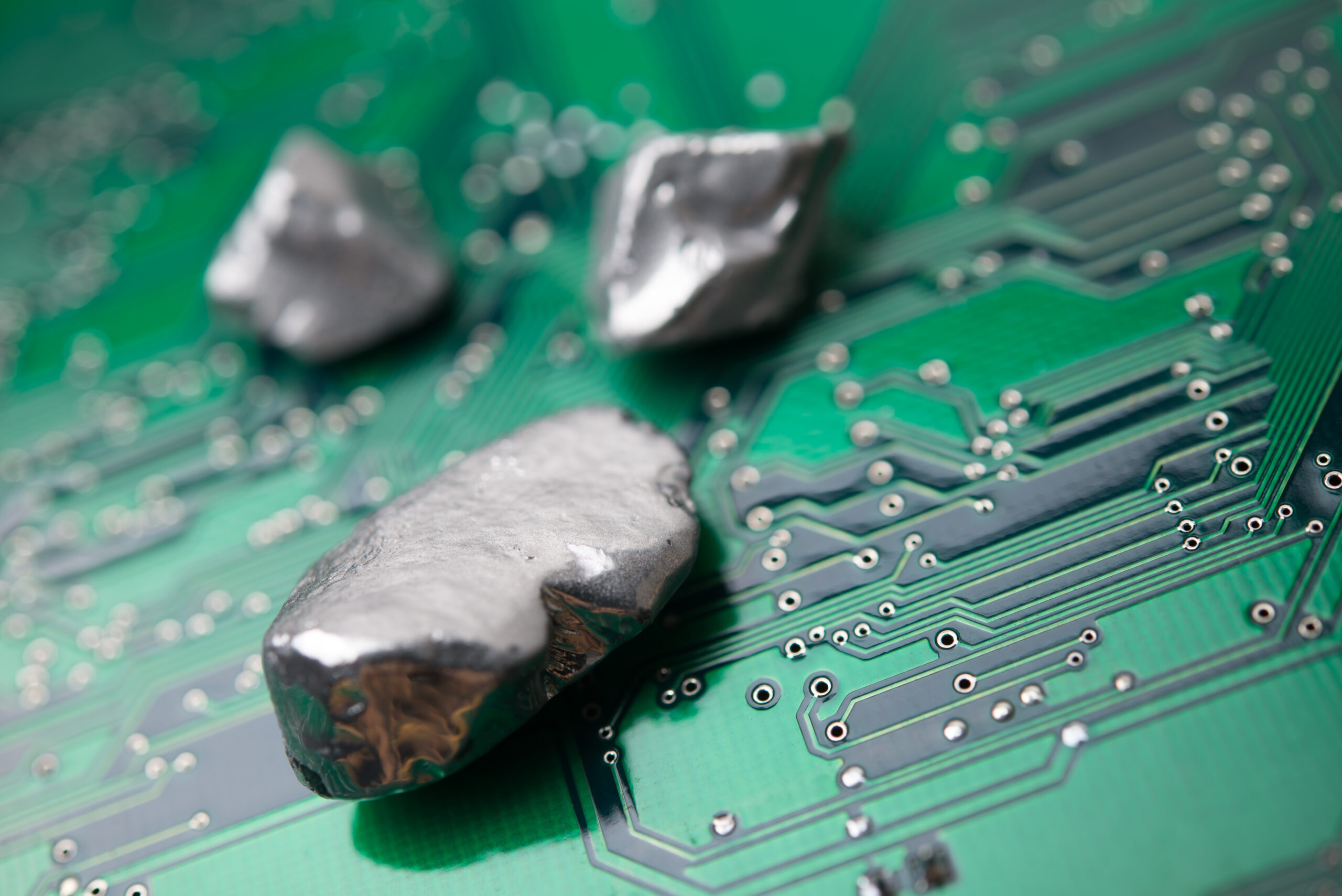
Minerals are naturally occurring substances that come from the earth and provide the raw materials for almost everything we use. Industries rely on minerals like iron to forge steel beams for skyscrapers and silicon to create the chips inside our phones.
A mineral becomes “critical” when it plays an essential role in the economy but faces a high risk of supply disruption. This is not a permanent label but instead a dynamic economic and strategic rating assigned by national governments.
More Minerals Becoming Critical
Governments and international bodies frequently update their critical mineral lists and strategies to stay ahead of rapid technological breakthroughs. Recent changes from around the world show that more minerals are being considered critical: since 2011, the European Commission has expanded its list from 14 to 34 materials, while the United States has seen its catalog grow from 35 to 50 essential commodities, with ten new additions in 2025 alone.
A main driver of this is the shift to reduced emissions and renewable energy: low-carbon technologies require many more types and quantities of minerals than the systems they replace. A typical electric car requires six times the mineral inputs of a conventional vehicle. In the power sector, an onshore wind plant requires nine times more mineral resources than a gas-fired plant of the same size, and one that is offshore can use up to 13 times more.
Key Components for Clean Energy
Among the minerals that are increasingly being considered critical, these are a few that are particularly important in clean energy generation:
- Copper: Electrification is impossible without copper which is used by every power source to carry electricity through wires and into homes with very little loss.
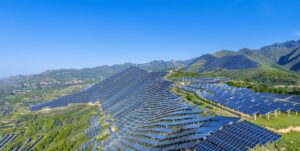
- Silicon: This mineral is the primary building block for solar panels, acting as the semiconductor that converts sunlight into electrical current.
- Rare Earth Elements: Elements like neodymium and dysprosium are vital for turbine-based power, as they create the powerful magnets inside the generators of modern wind turbines, nuclear plants and hydro facilities.
- Nickel: Highly valued for its ability to resist corrosion and heat, nickel is essential for nuclear power reactor components and advanced hydropower turbines.
- Chromium: This mineral helps create high-strength steel alloys used in the massive structures of hydroelectric dams and the heat-resistant piping of nuclear facilities.
- Cobalt: Often found in the high-performance alloys of gas and nuclear turbines, cobalt ensures that moving parts can withstand the high temperatures and pressures of power generation.
- Molybdenum: This element is a key strengthening agent for steel used in high-stress environments, such as the bearings and rotors of offshore wind turbines and deep-water hydro projects.
- Lithium: While famous for its role in electric vehicle batteries, lithium is also critical for the large-scale battery systems that store electricity from wind and solar farms to keep the grid stable.
- Graphite: This is the most significant component by weight in modern batteries, serving as the anode material for electric cars. In the nuclear sector, high-purity graphite is used as a moderator and reflector in reactor cores to manage the flow of neutrons and ensure a stable, efficient reaction.
Demand Continuing to Surge
Experts expect the demand for these resources to skyrocket in the coming years. Achieving global climate goals could cause the total demand for critical minerals to quadruple by 2040.
Some specific elements will see even more dramatic growth during this period. Demand for lithium could grow by over 40 times to meet the needs of the changing energy landscape. Graphite, cobalt, and nickel are projected to see their requirements increase by 20 to 25 times.
The global energy map is being redrawn, moving away from a focus on fuel pipelines and toward the security of mineral supply chains. The future of our electrical grid will depend on our ability to responsibly source and manage these essential materials.