As a team focused on providing reliable energy to communities that are far from robust grids, we spend a great deal of time thinking about how our Small Modular Reactors (SMRs) can contribute to resolving energy poverty.
Defining and Measuring Energy Poverty
While there is no formal definition for energy poverty, international organizations use broad guidelines such as the absence of “adequate, reliable, and affordable energy for lighting, cooking, heating, and other daily activities”.
Academics and organizations use various ways to measure energy poverty. One method is the Multidimensional Energy Poverty Index (MEPI), which looks at factors like access to electricity and clean cooking fuels. Another approach examines the “energy burden,” which is the percentage of income a household spends on energy. This often considers a household to be energy poor if these costs account for over 10% of their budget.
Energy poverty can drive families to live in cold homes, choose processed food over cooking with fresh ingredients, sacrifice other essential expenses to cover energy bills, and be generally unable to maintain their wellbeing at home.
The High Cost of Diesel
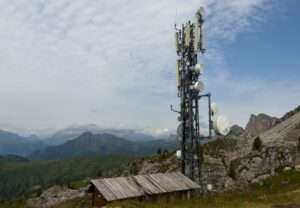
For many remote communities, this challenge is particularly acute, often due to heavy reliance on an old energy source: diesel. High costs and an unreliable energy supply in these areas significantly limit opportunities for economic development, compromise public health, and hinder educational attainment.
In Canada, for example, over 250 remote communities made up of around 200,000 people – nearly 70% of whom are Indigenous – rely almost entirely on diesel fuel for both electricity generation and heating. Beyond the cost of the fuel, there are also the costs of service – maintaining engines and generators, replacing equipment, retaining employees, and more.
This reliance imposes an extraordinary economic burden. In remote areas such as Nunavut in northern Canada, the true cost of electricity can be as high as $1.14/kWh. Even after $300-400 million in subsidies provided annually by the federal government to bring down this cost, end users can still pay around $0.30/kWh, double or triple the average Canadian rate of $0.10-$0.15/kWh.
Beyond the financial strain, diesel combustion pollutes the local air, contributing to respiratory illnesses. The constant transportation of fuel, often by ice roads or air, also carries a high risk of spills, threatening delicate ecosystems and traditional food sources.
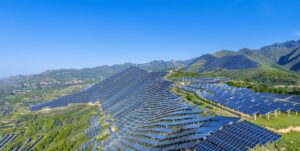
Renewable energy sources are increasingly coming to remote communities, but the intermittent nature of their power means that diesel generators are often still being used to fully meet demand.
Small Modular Reactors Bring Big Benefits
SMRs can serve as an important tool in eliminating energy poverty. Ontario’s Independent Electricity System Operator has estimated that the average lifetime cost for the recently approved Darlington SMRs will be $0.14/kWh. While it is expected that the true cost would be higher in off-grid areas, it could be exceptionally cheap compared to diesel if eligible for existing subsidies, and could help the government lower its annual subsidy bill.
Beyond power, SMRs provide a host of other benefits to their communities. We have covered these in depth in an earlier article, but in brief, they take up far less space than renewables and have a much lower environmental impact than diesel.
Additionally, beyond generating power, SMRs can pivot to providing a host of other services when energy demand is low such as providing heat for nearby buildings and desalinating water. This can further reduce costs borne by residents to fulfill their essential needs.
SMRs represent a clean, safe, and powerful alternative to other energy sources. They offer a transformative opportunity to alleviate energy poverty, foster economic growth, and respect the environment in remote communities. By embracing this innovative technology, we can help build a future where every community has access to the reliable and affordable energy it deserves.