The Canadian federal government recently passed Bill C-5, also known as the One Canadian Economy Act. It aims to fast-track “national interest” projects by reducing regulatory and approval redundancies between federal and provincial governments. This streamlining could be a boon for the nuclear power industry, but we owe it to the communities in which we will build to exceed the bill’s requirements to meaningfully consult with all stakeholders to produce reliable energy in a way that benefits all people and the environment.
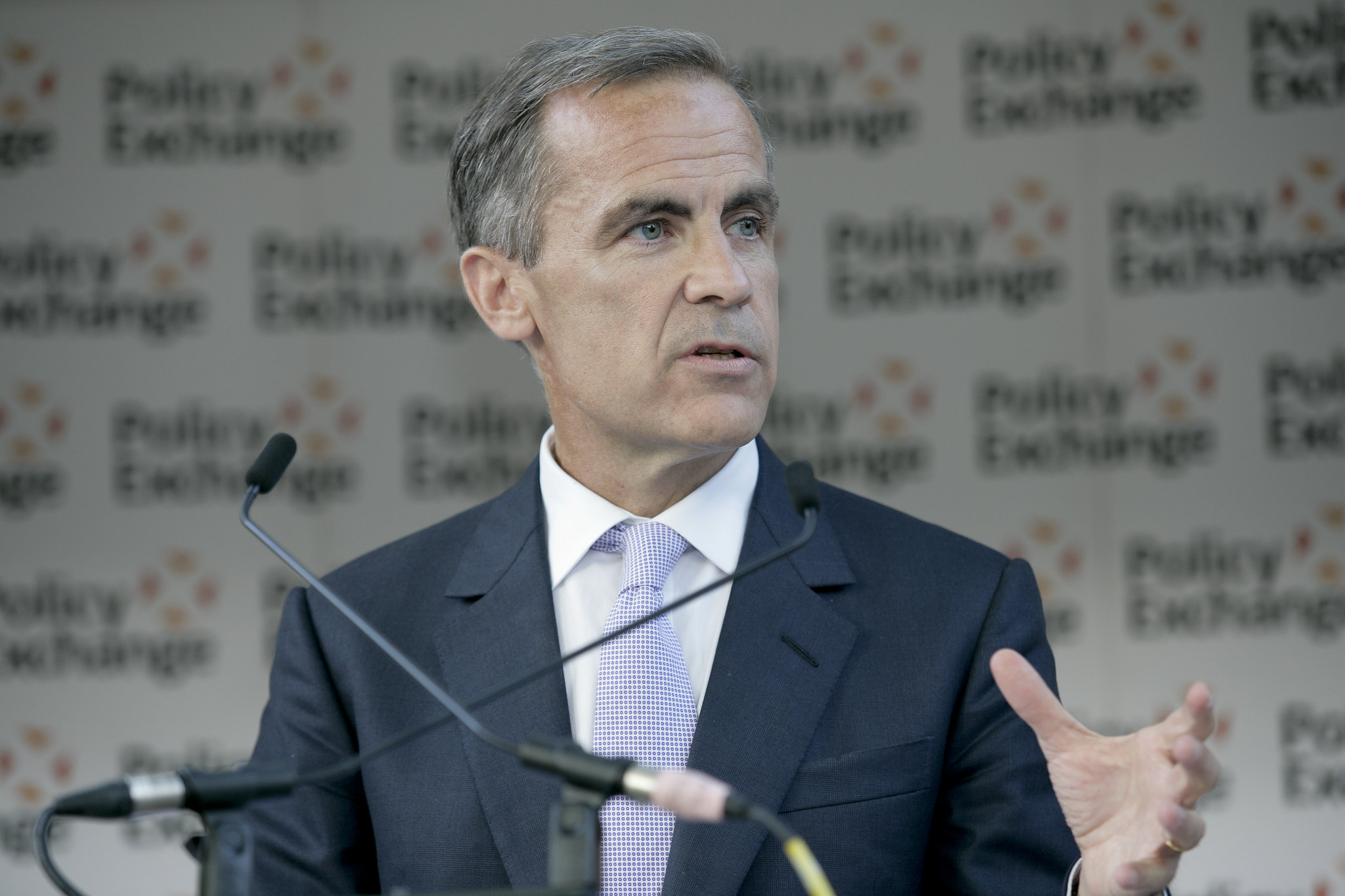
Bill C-5 intends to designate infrastructure projects of “national interest” if they strengthen Canada’s security, contribute to clean growth, and provide economic benefits. It would ensure these nation-building projects complete the federal review process within two years. Prime Minister Carney has stated that potential nation-building projects could include the “next stage of nuclear, from uranium to SMRs [Small Modular Reactors] to large scale nuclear.”
A key provision of Bill C-5 is its focus on interprovincial labor mobility. This will make it easier for skilled tradespeople to work on critical projects in other provinces without being re-certified. For nuclear construction, this means builders like us can more easily access a national pool of specialized welders, engineers, and technicians. A more fluid workforce could lead to faster, higher-quality construction and reduce project costs.
The bill has not been without criticism, and Indigenous reactions to Bill C-5 are complex and divided. Some see the bill as a pathway to economic partnerships, while others express deep concern that it erodes the “duty to consult” – a constitutional obligation stemming from Section 35 of the Constitution Act, 1982, which requires the Crown to consult Indigenous groups on projects that may impact their rights. They point out that the bill lacks a clear commitment to seeking “free, prior and informed consent” (FPIC), a core principle of the United Nations Declaration on the Rights of Indigenous Peoples (UNDRIP).
The case of the Near Surface Disposal Facility at Chalk River in Ontario serves as a powerful lesson in honest and proactive community engagement. A judge ruled in early 2025 that the Canadian Nuclear Safety Commission had not sufficiently completed its duty to consult with the Kebaowek First Nation on establishing a site for spent nuclear fuel and other waste materials. The court’s decision highlighted a failure to adhere to UNDRIP and properly address FPIC, leading to the project’s temporary pause. The ruling underscored that consultation must be robust and aim for mutual agreement, not simply a procedural exercise.
Additionally, environmental critics have argued that Bill C-5’s expedited approval process could compromise robust environmental assessments. They worry that the power to deem projects “in the national interest” could be used to bypass critical protections for species and ecosystems. Environmental groups have called for deeper scrutiny to ensure accountability and avoid potential harm.
Our company appreciates the drive to cut red tape, but not at the expense of communities and their surrounding landscapes. We are committed to upholding our legal and ethical obligations to consult with Indigenous stakeholders, and are honored to have already signed five Memoranda of Understanding with First Nations in Manitoba regarding our demonstration reactor planned for the Pinawa site.
Our small-footprint power plants will protect the environment by replacing polluting diesel generators in remote locations. We will also strive to minimize our SMRs’ impact on the environment during their construction and operation.
We believe that true partnership is the only way forward for long-term, sustainable projects.