In the past, energy security mostly meant having a steady supply of oil or natural gas. Today, the focus is shifting toward the physical materials needed to build power plants. The International Energy Agency (IEA) reports that the average amount of minerals required for each new unit of power generation has grown by 50 percent since 2010.
We previously looked at how clean energy is ramping up demand for minerals and leading more to be classified as “critical”, but the infrastructure for each source has different mineral intensities. While the “fuel” for wind and solar is abundant, they need very large physical structures, requiring more minerals per megawatt (MW) produced than more energy dense power sources.
Beyond just the total volume of materials, the specific minerals required for wind and solar are subject to severe supply chain vulnerabilities and geographic concentration. Building a nuclear power plant relies on a largely different set of materials that do not face the same market pressures, offering a more resilient path forward in a resource-constrained world.
Power Density and Material Use
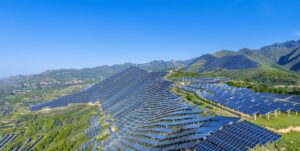
The amount of minerals needed for construction depends on power density. This term refers to how much energy can be produced in a specific amount of space. Sources like wind and solar have low power density: in very favorable conditions they produce 4 watts per square meter (W/m²) and 20 W/m² respectively. They require heavy structures and vast surface areas to capture moving air or sunlight.
Nuclear power sits at the other end of the scale, producing an average of 1,000 W/m². It has very high power density, creating massive amounts of energy from a small footprint. Because nuclear plants are compact and powerful, they require far fewer raw materials per megawatt than many other clean energy options.
Comparing Mineral Intensity by Source
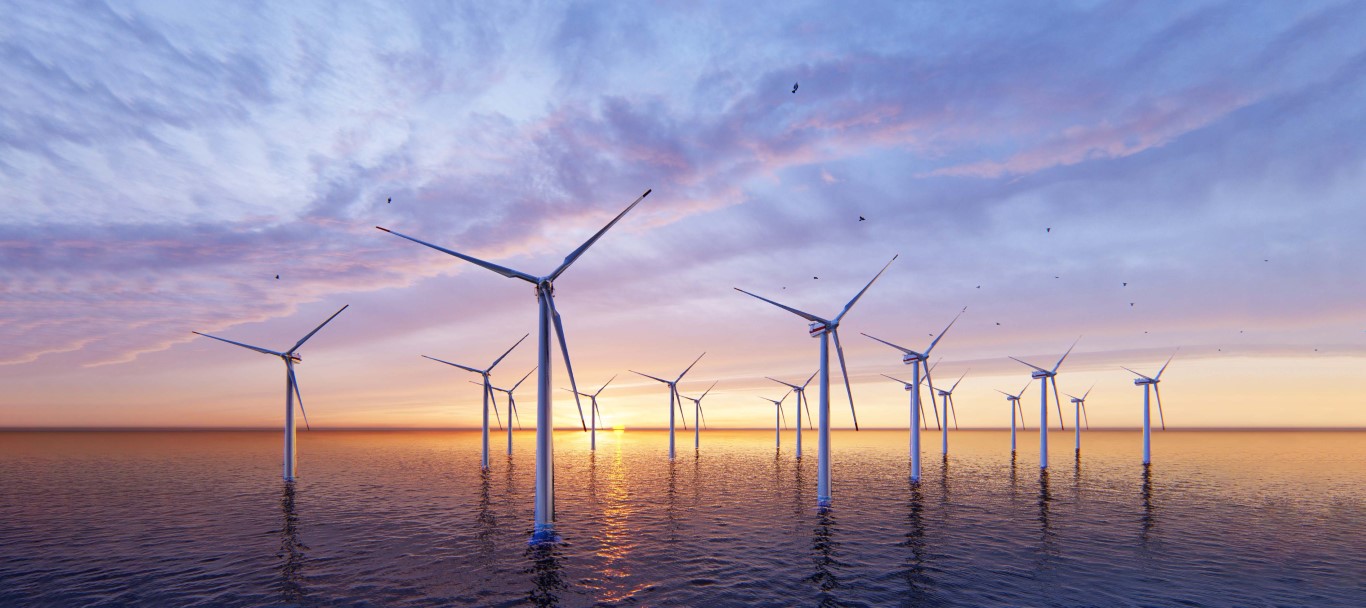
The difference in material needs between energy sources is significant. As reported by the IEA, offshore wind is the most mineral-intensive, requiring roughly 15,500 kg of minerals for every MW of capacity. Onshore wind follows with about 10,000 kg per MW. Solar panels also have high requirements, using approximately 7,000 kg of minerals per MW.
Nuclear power is more efficient in its material use. A typical nuclear plant requires only about 5,000 kg of minerals per MW of capacity. Fossil fuels like coal and natural gas use even less, about 2,500 kg and 1,100 kg respectively, but are counterproductive to global climate goals.
Nuclear power also has a very high capacity factor, meaning that it produces power more than 92% of the time – significantly more than wind (34%) and solar (23%). This means that each kilogram of mineral results in more electricity produced, especially since nuclear plants have an equal or longer lifespan than wind or solar farms.
Nuclear provides a unique middle ground, offering low-carbon baseload power with a relatively small mineral footprint.
Different Paths, Different Risks
A key advantage of nuclear power is that it relies on a different set of critical minerals than wind and solar, meaning it is not exposed to the same supply chain chokepoints.
Solar and wind power currently face significant supply risks due to high market concentration. For example, polysilicon is the main ingredient for solar panels, and China currently controls over 93 percent of the global supply. source In September 2025, prices for this material jumped 48 percent in a single month due to production cuts.
Wind turbines face similar challenges with rare earth elements like neodymium, which are needed for high-performance magnets. Some experts project that there will be a significant shortage due to high demand from wind projects and electric vehicle manufacturing, interfering with their role in a clean energy transition.
Nuclear energy avoids these specific risks because its construction includes many critical minerals that are traded in more established and diverse global markets that do not overlap with wind, solar, and batteries. Their supply is more predictable and less prone to supply shocks.
A Sustainable Path Forward
Nuclear energy offers a safe and sustainable solution as demand for minerals ramps up. Its high energy density means we can produce more electricity with less mining and less land. This efficiency helps protect the environment, lowers the risk of supply chain disruptions, and makes it a cornerstone of a realistic clean energy strategy.