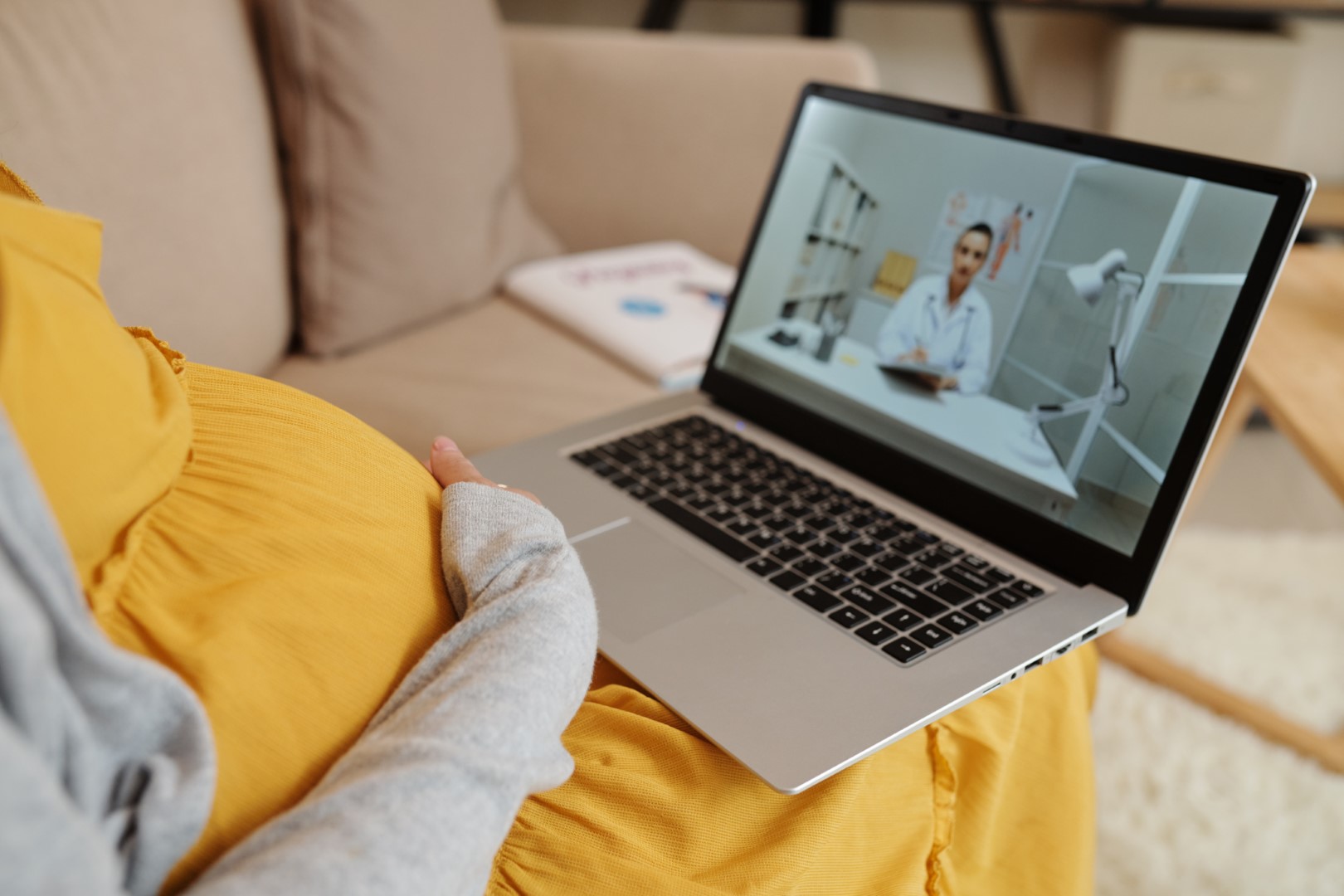
Everyone deserves quality medical care, regardless of where they live. For families in remote areas, a visit to a specialist often means a long, expensive journey over difficult terrain. Telemedicine is changing this reality by bringing the doctor’s office directly to the community through a digital screen.
Virtual healthcare requires stable internet and electricity, which is where StarCore’s Small Modular Reactors (SMRs) can help. In addition to providing reliable power around the clock, we are offering our unused satellite bandwidth to the communities we serve.
Understanding the Three Ways We Connect
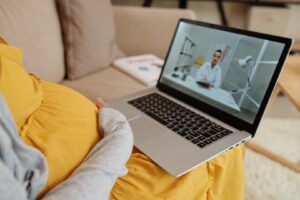
Healthcare providers use three main methods to treat patients from a distance. The first is synchronous, or real-time, care where a patient and doctor talk over a live video call.
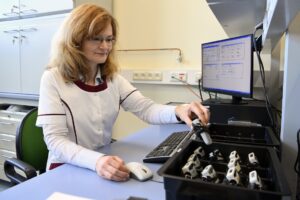
The second is asynchronous, often called store-and-forward, where a nurse or patient takes a photo of an injury or a lab result and sends it to a specialist to review later.
Finally, remote patient monitoring uses wearable devices to track vital signs like heart rate, sending that data to a clinic miles away automatically.
Improving Real-World Health Outcomes
When patients can access increased forms of care locally, the results are life-changing. Evidence shows that telemedicine is incredibly effective for many critical conditions such as diabetes, high-risk pregnancy, skin cancers, speech disorders, and occupational injuries.
Diabetes
Diabetes patients using remote monitoring systems and virtual appointments see significantly improved management of their blood sugar levels compared with those who only see doctors in-person, with one study even finding that remote care can double the likelihood of keeping these levels in a healthy range (Jiang et al., 2024; Lee et al., 2024; Kelly et al., 2024). This is critical in preventing more serious conditions such as nerve damage, eye disease and kidney damage.
High-Risk Pregnancy
Across the United States, 36% of all counties are considered maternity care deserts: locations where hospitals do not have obstetric departments. Remote monitoring and consultations have become essential tools in minimizing preventable threats to the health of mothers and their babies, both during and post-pregnancy.
Simple, at-home blood pressure monitoring has been shown to be as effective as conventional clinic monitoring in identifying hypertension and preeclampsia, and results in similar outcomes for induced labor, caesarean section, neonatal intensive care unit admissions, and more (Rajkumar et al., 2025).
Additionally, ultrasounds and genetic testing done remotely enable early detection of potential abnormalities brings the same accuracy and patient outcomes as in-clinic assessments with increased accessibility and convenience (Adams et al., 2024).
Skin Cancer
Store-and-forward imaging allows dermatologists to spot suspicious moles quickly, leading to early detection in regions where no specialists live. Studies have shown that remote diagnoses catch 99.7% or more of skin cancers, which is comparable to face-to-face visits (Morgan et al., 2025; Sekaran et al., 2024).
Speech Disorders
Many clinical trials have shown that speech-language pathology interventions for people with stutters, post-stroke injuries, Parkinson’s, and other conditions is equally effective regardless of whether it is conducted remotely or in-person.
As an added benefit, these programs – which typically include a number of sessions spread out over many weeks – cost significantly less for remote participants and eliminate the need to travel (Scott et al., 2024).
Occupational Injuries
Even with the most stringent safety protocols, accidents can happen at remote industrial sites. When first responders encounter a situation that is beyond their expertise, telemedicine physicians can help initiate life-saving interventions such as controlling severe bleeding before a patient can be moved.
“Teletrauma” is still fairly underused, but a small study on bringing virtual specialists into acute trauma situations has found that it can provide diagnostic support for 97% of cases (Bergrath et al., 2013). This can substantially help paramedics improve decision making times, reduce pain levels, shorten treatment duration, and potentially even prevent the need to be taken to a hospital.
The Human Side of Digital Care
Beyond the clinical benefits, telemedicine offers profound social advantages. In small towns, the local clinic staff are often the patient’s neighbors or friends. Some people may feel embarrassed seeking help for sensitive issues in such a close-knit setting. Research indicates that many patients feel more comfortable using telehealth because it provides a layer of privacy they cannot get at a local facility (Wilhite et al., 2026)
Eliminating the Barriers to Access
A major obstacle to effective telemedicine is the lack of stable and speedy internet and the reliable electricity needed to power the phones, computers and other devices used for diagnostics and consultations.
Satellites are bringing significantly improved connectivity to rural areas, and while the service costs are coming down, they can still be prohibitive to certain communities.
StarCore’s Small Modular Reactors (SMRs) are remotely monitored by a constellation of geostationary (GEO) and Low Earth Orbit (LEO) satellites, but we only need a fraction of the bandwidth available to us. We’re giving the remainder to our host communities for free, and can help local leadership use it to increase the use of telemedicine.
When combined with the 24/7 baseload power from our SMRs, this opens up significant opportunities for improved community health.