As the global community works to clean our energy systems, it is important to consider how different power sources impact the delicate ecosystems they are built to protect.
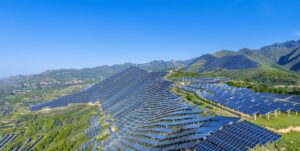
This requires looking beyond carbon emissions to understand how electricity generation locally alters natural habitats. As reported by the United Nations Economic Commission for Europe, nuclear energy has the lowest lifecycle impact on ecosystems of any power source, with wind turbines and certain roof-mounted solar panels following closely behind.
Environmental Impact of Traditional Nuclear Power
Traditional nuclear plants leverage high power and energy density to maximize electricity production while minimizing land use, leaving forests and grasslands untouched for native species.
Nuclear energy also requires far fewer raw metals and minerals than wind or solar installations, and it emits none of fossil fuel’s air pollutants that cause respiratory issues, water acidification, and more.
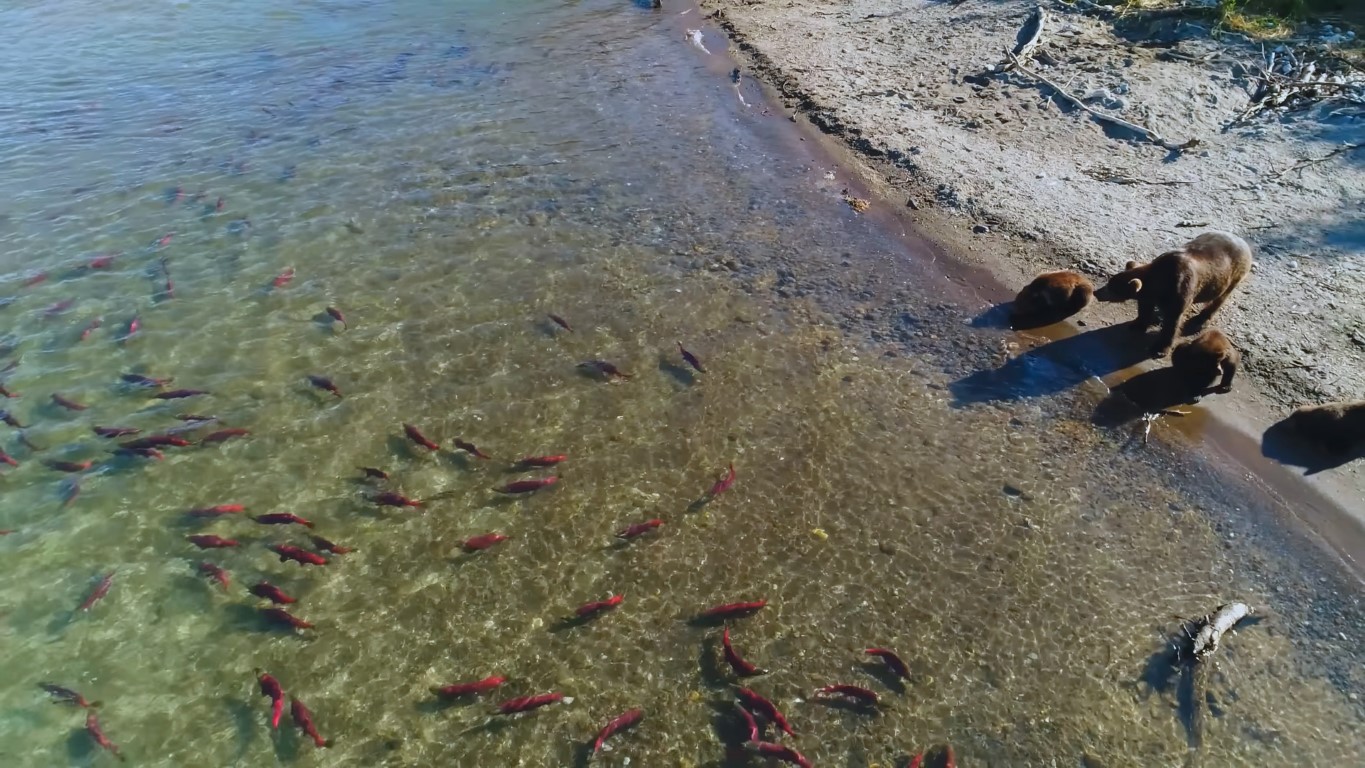
The main ecological concern with traditional gigawatt-scale nuclear plants is their operational water use. Relying on once-through cooling systems, they draw huge quantities of water from local lakes, rivers, or oceans. This process can trap larger fish against intake screens and pull smaller larvae through internal heat exchangers. When returned, this water is often much warmer, which lowers dissolved oxygen levels and stresses aquatic food webs.
Their massive energy output and upfront construction costs are also outsized for remote locations that are currently most in need of a clean alternative to diesel generators.
SMRs: A Compact Answer for Remote Spaces
Small Modular Reactors (SMRs) solve these challenges by drastically shrinking both the size and cost of the facility, making clean nuclear energy a logical and accessible option.
SMR designs generally belong to a new category of nuclear energy known as Generation IV reactors. These advanced systems are designed to fit the environmental, economic, and social requirements of the 21st century, with ecological sustainability featuring prominently in the objectives.
One major improvement is that many SMR designs use closed-loop cooling systems that recycle water internally. This eliminates the connection with local water sources and protects marine life.
SMRs also feature much smaller outputs and more reasonable project economics. As an example, StarCore’s base design provides enough electricity for around 7,500 homes and is financed through Power Purchase Agreements (PPAs). This means host communities will not pay for the infrastructure upfront.
Smaller outputs also drastically reduce land use. StarCore’s reactor has a footprint of about two football fields, less than the space needed for an equivalent output from a remote diesel plant and its other components such as a fuel tank farm and mandatory safety buffers.
SMRs are also being designed to use more highly enriched fuel, powering them for years on a single load. By eliminating the traffic and potential for spills from regular diesel deliveries, local habitats remain undisturbed, allowing wild species to migrate and hunt without disruption.
Additional Environmental Benefits of Gas-Cooled Reactors
StarCore’s High-Temperature Gas-Cooled Reactor (HTGR) brings even more benefits for ecosystems. This type of reactor uses chemically inert helium gas rather than water as a coolant, completely eliminating operational water needs and potential threats to aquatic habitats.
Beyond electricity, HTGRs output very high-temperature heat. This can be used by host communities, depending on local needs, to apply it toward water purification, district heating, indoor agriculture, and other industrial applications. This co-generation strategy further decreases a community’s localized emissions and environmental footprint.
Mitigating the Harms of Mining Uranium
At a local level, nuclear power has an exceptionally low ecosystem impact, but all of that energy has to come from somewhere. Historically, uranium mining has disrupted environments, but modern practices are rapidly improving.
Traditional open-pit mining causes erosion and sediment runoff, leaching elements like selenium into local waterways. If selenium levels exceed two micrograms per liter, the mineral bioaccumulates and harms aquatic bird populations.
To prevent this, the industry has largely pivoted to in-situ leaching (ISL), which extracts uranium through targeted underground boreholes without surface excavation. Operators secure these sites using multi-layered synthetic and clay liners, monitoring wells, and groundwater sweeps to securely contain the extraction solution.
Environmental regulations have also expanded, and now legally mandate that mining companies carry out robust decommissioning and habitat restoration once extraction is complete.
While traditional nuclear power already has the lowest lifecycle impact on ecosystems, SMRs are poised to reduce this even further. By eliminating water-intensive cooling and minimizing physical land use, these next-generation reactors make clean nuclear energy both environmentally beneficial and financially accessible to the remote communities and industrial sectors that need them most.