We have been looking at how minerals underpin the clean energy transition, and one of the most important is copper. Its exceptional conductivity and plentiful availability has enabled widespread electrification, but the shift to clean energy is straining its supply.
Small Modular Reactors (SMRs) can help navigate copper’s coming shortage. With low needs for the metal and the ability to reduce mining emissions, SMRs can both replace fossil fuel plants and reduce the emissions from mining and refining copper required for other green energy projects.
Copper’s Role in Electrification
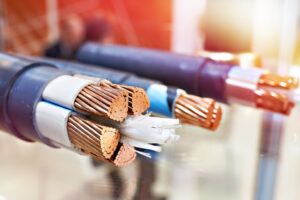
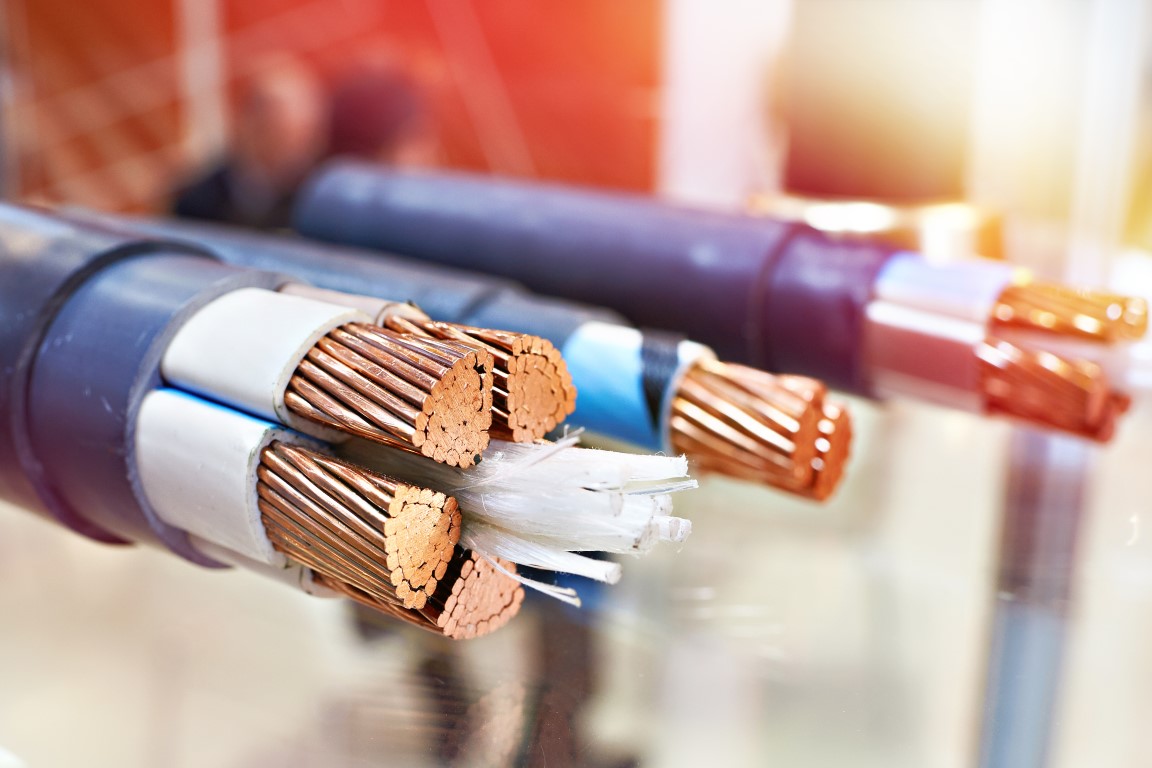
Copper is particularly efficient at conducting electricity. It is second only among metals to silver, which is much more expensive for a minimal increase in conductivity.
Aluminum has emerged as an alternative to copper, but it is only 61% as effective at transmitting electrons. It is light, which makes it great for overhead power lines, but more of it is required for the same result, making it unsuitable for space-constrained applications such as electric vehicle motors and high-efficiency transformers.
Navigating the Looming Copper Squeeze
Despite estimates that there are over 5 billion tonnes of copper that could potentially be mined, a near-term supply squeeze is rapidly approaching.
Analysts recently shifted their market outlook for 2026 from a surplus to a shortage of at least 150,000 tonnes. While this represents less than one percent of the 28 million tonnes of demand for the year, minor imbalances can trigger disproportionate price surges. For energy project developers, these spikes can wreak havoc on construction budgets.
In the long term, this deficit will widen as existing mines face natural depletion. The average grade of copper mines has dropped by 40% since 1991, meaning the quality of extracted ore is steadily declining. Mining companies must now excavate and process far more rock to obtain the same amount of refined copper. This energy-intensive process drives up both costs and resource consumption.
Meanwhile, demand for copper is quickly growing as the clean energy sector expands. The International Energy Agency projects that global copper demand will reach 37 million tons by 2050. While construction and grids remain the largest consumers, electric vehicle copper demand will increase sevenfold in this period. Solar and wind installations will each increase copper use by fifty percent, and new data centers add further pressure.
These factors are converging to expand the global supply deficit from <1% in 2026 to at least 30% by 2035.
Market volatility should calm on a twenty-to-thirty-year horizon as a mature recycling market emerges. Clean energy technologies installed today will begin to reach the end of their operational lives, and because copper is 100% recyclable, decommissioned equipment will serve as crucial reserves.
The Copper Footprint of Clean Energy
In the interim, high copper prices will directly impact the economic viability of different energy sources.
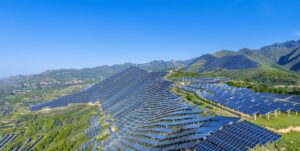
Wind and solar projects are exceptionally copper-intensive. Solar farms require around 54 tonnes of copper per terawatt-hour (TWh) of lifetime output and wind farms need at least 23 tonnes.
In contrast, nuclear power plants’ relatively low copper needs make them resilient against market volatility. A standard pressurized water reactor has a lifetime copper intensity of only about 2.5 tonnes per TWh of lifetime output. This low requirement means high copper prices have a negligible impact on overall nuclear project economics. Small Modular Reactors (SMRs) share this efficiency, providing a highly stable pricing model for long-term power purchase agreements.
A Power Solution for Sustainable Mining
SMRs can also create a beneficial loop by improving the economics and lowering the emissions of copper mining itself.
Many rich copper deposits are located in remote places. Mine operators traditionally rely on expensive, carbon-intensive diesel generators to power heavy machinery and extraction processes.
Deploying an SMR directly at a mine site provides steady, zero-emission electricity and high-temperature heat. This reduces the energy cost of processing ore, helping mining companies maintain profitability during market swings and supply green energy projects with a lower environmental footprint.
Copper is a critical material for the electrification underpinning the clean energy transition. Allocating it properly is essential for meeting climate goals. SMRs offer a powerful mix of not only producing emission-free energy with minimal copper but also reducing the impact of sourcing and refining the metal for solar, wind, EVs and other vital applications.